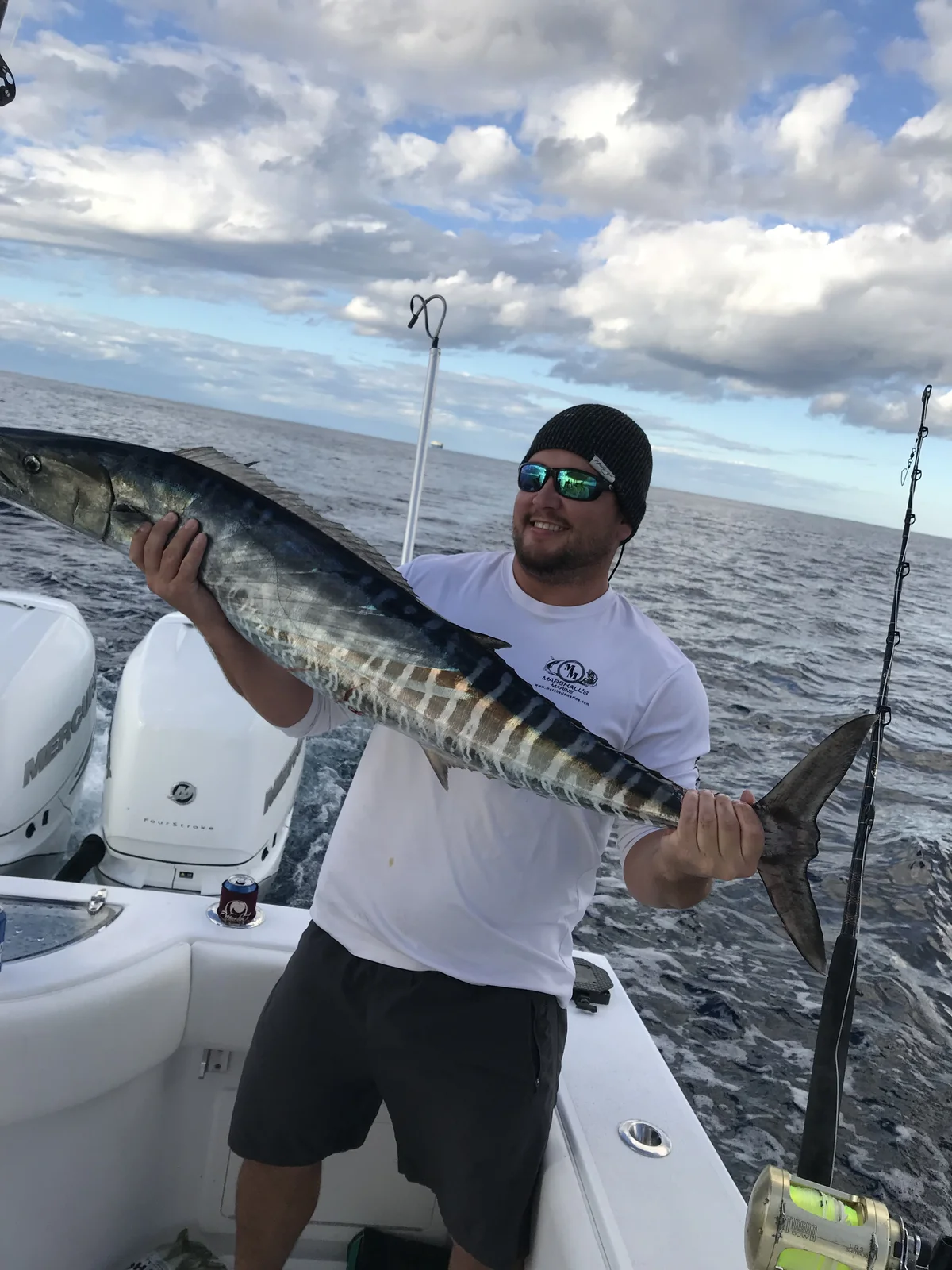
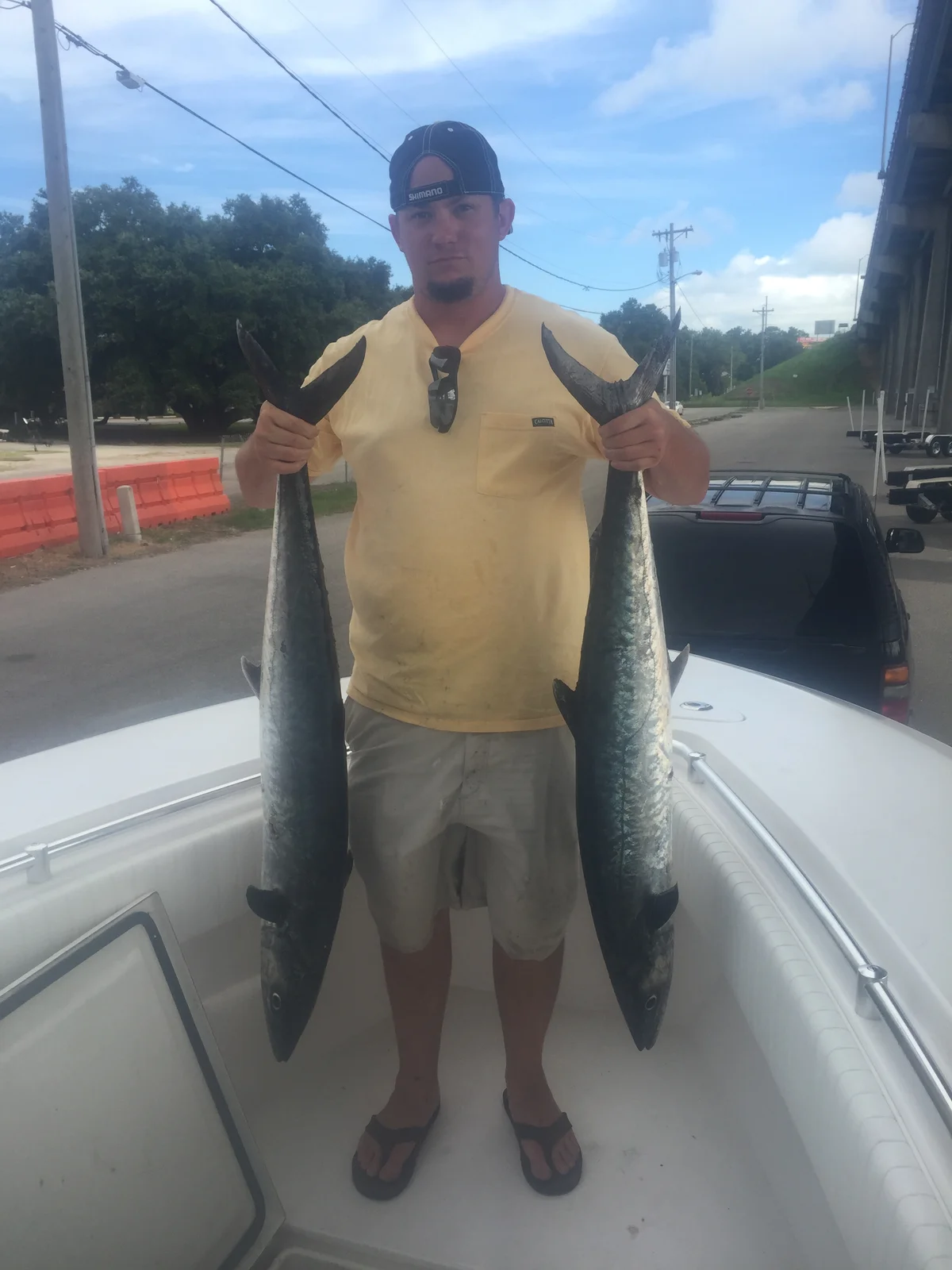
High-Speed Wahoo Trolling: The Carolina Program That Actually Works
Wahoo are the fastest fish most of us will ever hook, and the most reliable way to target them is to stop fishing slow. High-speed trolling — dragging heavy lures at speeds that feel wrong the first time you do it — turns aimless blind-trolling into a deliberate program. Here’s how it works off the Carolinas, where this technique has become the standard for a reason.
Why speed works
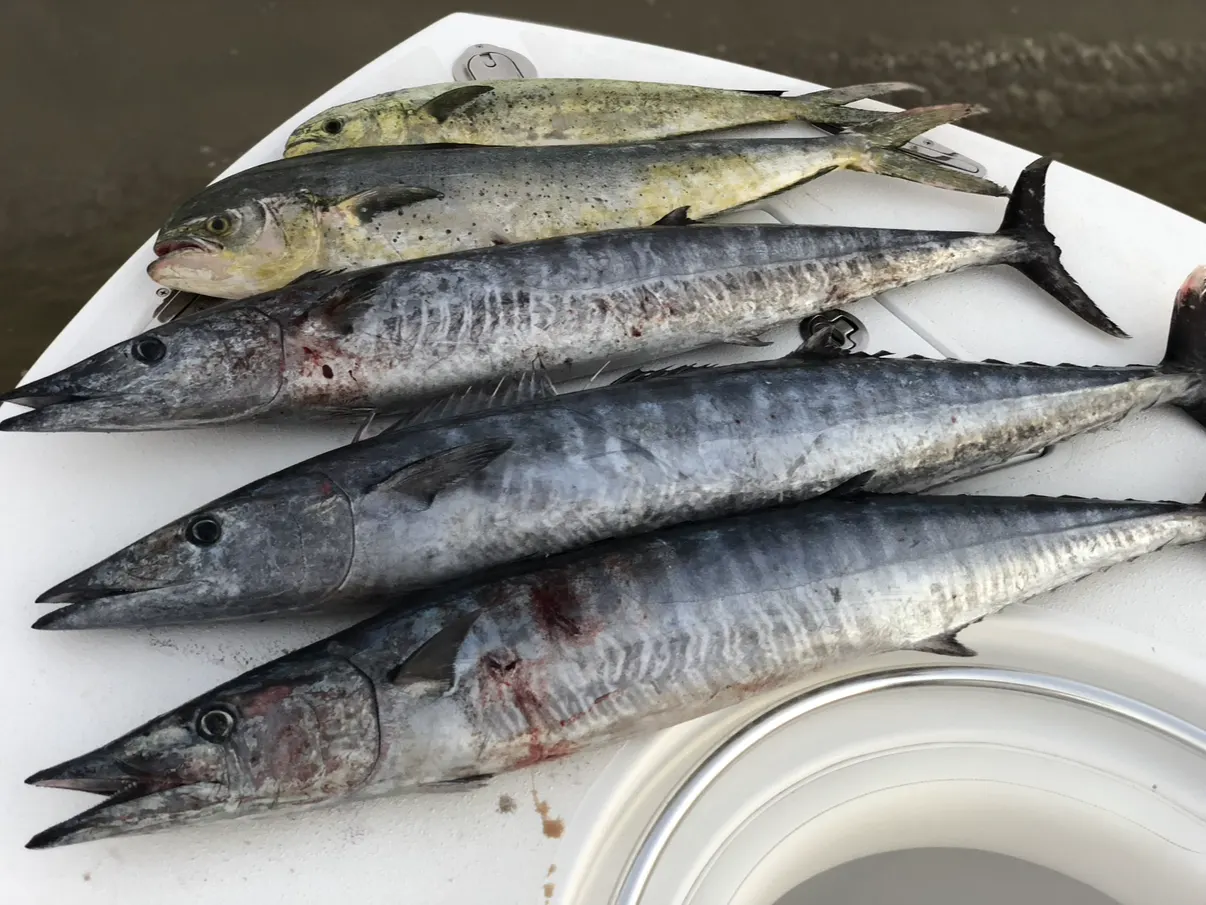
Wahoo hit fast-moving baits with a confidence they rarely show at ballyhoo speeds. At 12–16 knots, a lure looks like fleeing prey and triggers a reaction strike — and just as important, you cover three times the water of a standard troll. Wahoo are structure- and edge-oriented but scattered; covering ground is half the game. The bycatch penalty is small because very little else can catch a lure at 14 knots. When something does, it’s usually a tuna you wanted anyway.
The setup: heavy or go home
Everything about high-speed trolling is built around drag, weight, and abrasion resistance:
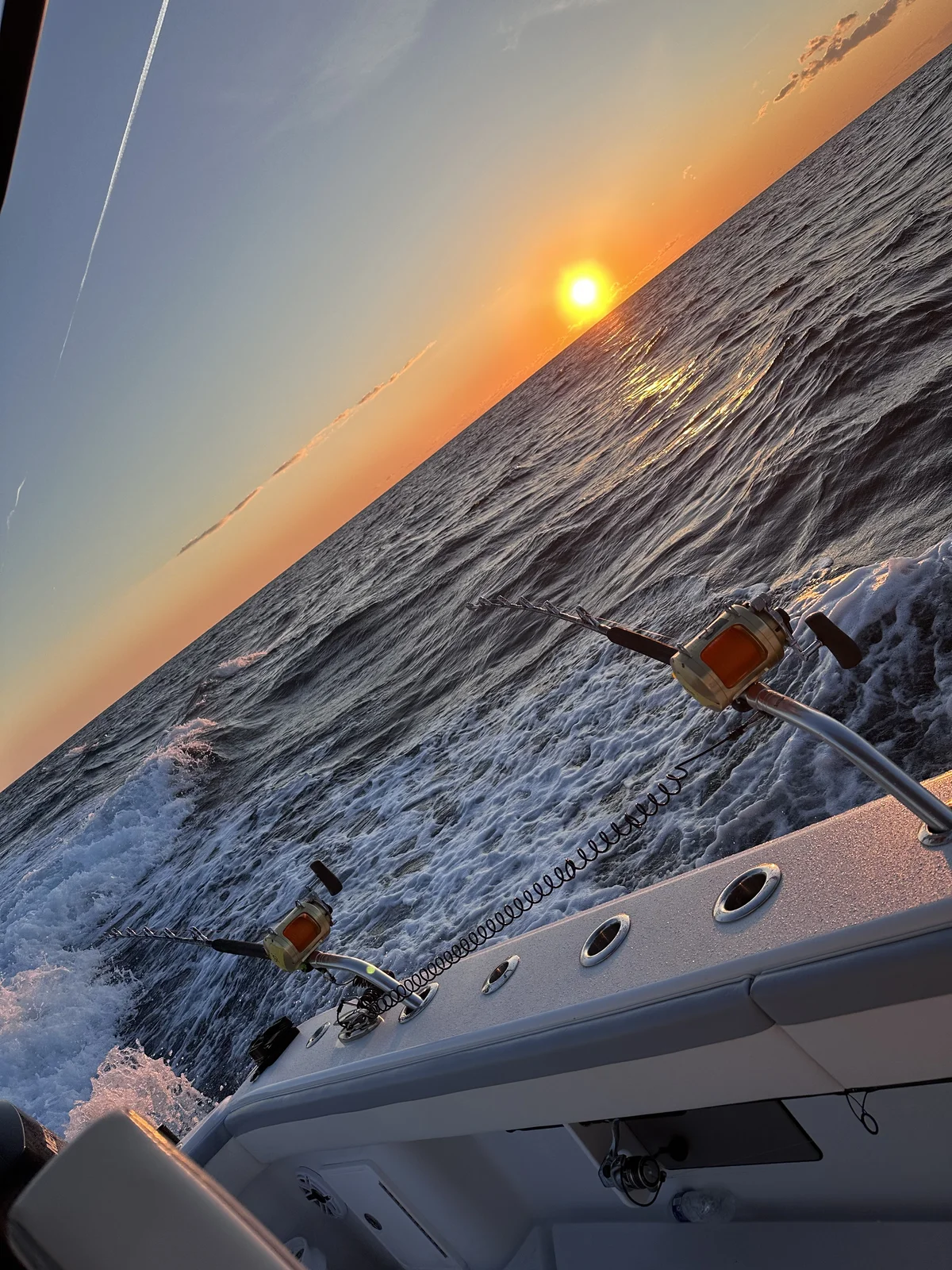
- Reels: 50-wide class and up, lever drag, two-speed. Drags get set heavy — 20 lb+ at strike — because a wahoo hitting at speed with the boat still making way puts brutal load on everything. I run Okuma Makaira 50s and 80s for my high-speed program; see the trolling reel buyer’s guide for how to think about the class.
- Trolling weights: 16 to 64 oz (1 to 4 lb) cigar weights ahead of the lure, on a shock leader. Wahoo strike deep more often than on top; the weight keeps lures in the zone at speed. I run BLUEWING inline trolling weights — they come built with 551 lb stainless wire and a snap swivel already crimped on, so there’s no separate rigging step, and they’re sized 1, 2, 3, and 4 lb depending on how deep you need to get a given lure. 4.5 stars over enough ratings to trust it.
- Wire: single-strand or cable leader between weight and lure. Wahoo teeth turn mono and fluoro into confetti. No wire, no wahoo — or more precisely, one wahoo and one lost lure.
- Shock leader: a long section of 200–400 lb mono between main line and trolling weight absorbs the strike.
Lures and spread
High-speed lures are heavy, jetted, and dark: deep purple/black, red/black, and orange/black are the classic wahoo palette. A basic high-speed spread runs 4 to 5 lines — at these speeds, less is more, and more lines than that just means more to tangle when one goes off:
| Position | Distance | Weight |
|---|---|---|
| Corners (2) | 60–100 ft | 48–64 oz (3–4 lb), heaviest lures |
| Mid/riggers (2) | 100–175 ft | 32 oz (2 lb) |
| Long/center (1) | 200–250 ft | 16 oz (1 lb) |
The rule that matters most here: heavier weights ride closest to the boat, lighter weights go out long. Close-in lines are in the roughest, most turbulent part of the prop wash, so they need the extra weight just to stay down and tracking straight — a light weight that close will skip and spin. Farther back, the water’s cleaner and a lighter weight rides fine while still getting the bait down. Get this backwards and the whole spread fishes worse: light weights up close skip on the surface, heavy weights out long dive too deep and drag.
Stagger distances so lures ride clean in different parts of the wake. Check for weeds constantly — a fouled lure at 14 knots catches exactly nothing.
Speed, water, and when
Start at 12–13 knots and work up; plenty of fish come at 15–16. Focus on temperature breaks, color changes, and structure edges — the same 100-fathom curve, rocks, and ledges you’d fish anyway, just covered faster. Off the Carolinas, high-speed trolling picks away at wahoo nearly year-round, but the two windows worth building a trip around are fall and early spring — fall as water temps start dropping and wahoo push through in numbers, early spring as things turn back over before the summer pattern sets in. First light is prime in both seasons: many crews run the high-speed spread on the way out and switch to the standard ballyhoo program once the sun is up.
The planer alternative
When the high-speed bite dies or you want meat fishing consistency, a planer pulling a sea witch and ballyhoo (or a Drone spoon) at 6–8 knots gets a bait 15–30 feet down where wahoo live. It’s slower but deadly, and it’s the other half of my Makaira program — the same heavy reels handle planer duty. Planer fishing deserves its own article; it’s coming.
The fight and the boat side
Wahoo make one blistering run, then often come to the boat easier than a tuna half their size — which is exactly when they’re most dangerous. They’re not done. Keep the boat moving forward, gaff shots decisive, and hands away from that mouth even when the fish looks finished. A wahoo on the deck is a chainsaw with an attitude; a fish bag or a quick trip into the box beats letting one bounce around your cockpit.
Gear checklist
- 50W–80 class two-speed lever drag reels on bent-butt or straight heavy trolling rods
- 16–64 oz (1–4 lb) cigar trolling weights, 200–400 lb mono shock leaders, single-strand or cable wire
- 4–5 high-speed lures in dark colors, plus a planer setup with sea witches as the change-up
This article may contain affiliate links. If you buy through them, we may earn a small commission at no extra cost to you. Learn more.