Polarized Sunglasses for Fishing: What Actually Matters
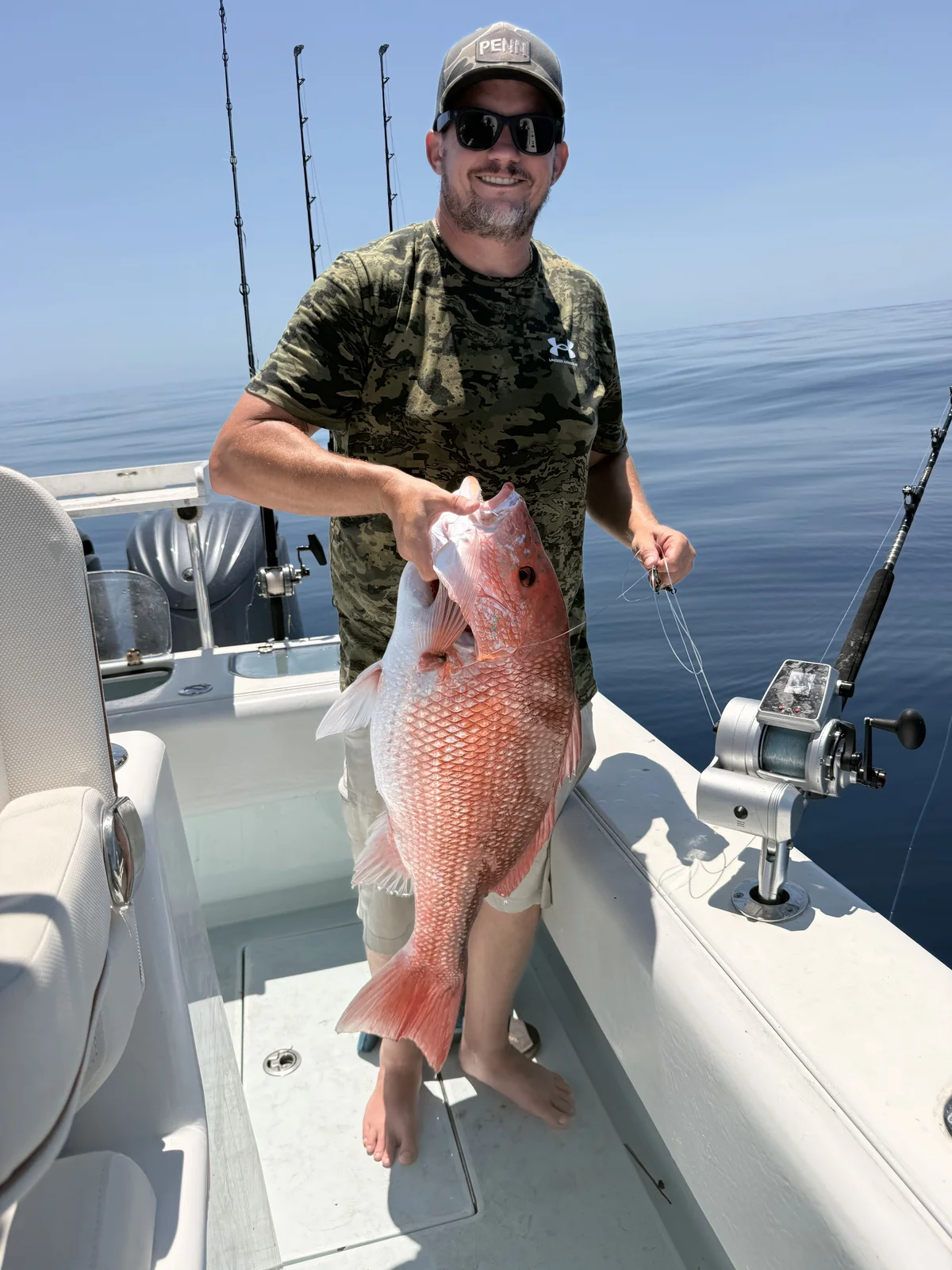
Every other piece of gear on this site is species- or technique-specific. This one isn’t — bottom fishing, trolling, sight-casting a flat, running the boat, it doesn’t matter what you’re targeting, you need to actually see the water. A good pair of polarized sunglasses is as close to universal gear as this site gets.
Why polarization matters, not just tint
Sunlight reflecting off water is polarized — it vibrates mostly in one direction (horizontally) once it bounces off a flat surface. Regular tinted sunglasses just dim everything equally, glare included. A polarized lens has a laminated filter that specifically blocks that horizontal glare while letting the rest of the light through, which is why the surface glare disappears and you can suddenly see structure, bait, or a fish finning under the surface that was invisible a second before. This is the one feature that actually matters for fishing; everything else on this page is refinement on top of it.
Lens material: glass vs. polycarbonate
Glass is heavier but optically the clearest option and the most scratch-resistant — a real consideration on a boat where sunglasses get set down on gunwales and consoles all day. Polycarbonate is lighter and more impact-resistant, which matters if you’re the type to sit on a pair or take one to the face off a rod tip, but it scratches more easily without a hard coating. Neither is wrong; it’s a tradeoff between durability-against-scratches and durability-against-impact, plus how much weight you want on your face for a full day offshore.
Lens tint: match it to the water, not the look
| Tint | Best for |
|---|---|
| Amber / copper | General-purpose — boosts contrast in variable light, the safe all-around choice |
| Gray / green-gray | True color rendition, bright offshore sun and open blue water |
| Blue mirror | High-glare offshore conditions, bright midday sun |
| Yellow / rose | Low light — dawn, dusk, overcast — and shallow sight-fishing where contrast against sand or grass matters more than cutting glare |
If you only own one pair, amber or copper is the tint that covers the widest range of conditions without being obviously wrong for any of them.
UV protection: the part people skip
Look for “UV400” or ANSI Z80.3 compliance, which blocks essentially all UV light up to 400nm. This matters more on the water than almost anywhere else, since you’re getting direct sun plus reflected sun off the surface all day. The counterintuitive part worth knowing: a dark lens with no real UV coating is worse than wearing no sunglasses at all — the tint makes your pupils dilate to let in more light, and without the UV filter to back it up, more UV gets to your eye than if you’d worn nothing.
What I actually wear
Mine are Bajío Palehorse sunglasses — Bajío is a newer independent brand out of New Smyrna Beach, Florida, started by Al Perkinson after a long run at Costa Del Mar. Their proprietary LAPIS lens tech is available in either glass or bio-based polycarbonate, running $219 for poly up to $269 for glass, in seven lens colors. The Palehorse is a medium-wrap frame that works for most face shapes without looking oversized, and the build quality has held up to a full season of getting tossed around a center console.
Smart glasses for fishing: worth it, or a gimmick?
The newest category worth mentioning is camera-equipped “smart glasses” — specifically the Meta Ray-Ban Gen 2 Wayfarer, which ship with actual polarized gradient lenses rather than the plain lenses earlier versions used. They pack a 12MP camera capable of 3K video, up to 8 hours of battery per charge (48 more from the charging case), and hands-free photo/video capture — genuinely appealing for capturing the hookset and the fish coming over the rail without fumbling a phone with wet, bloody hands.
The honest caveat: they’re rated IPX4, which covers sweat and splashes, not a wave over the bow or a dunk over the side — treat them like electronics, not like a dedicated pair of fishing sunglasses, because that’s what they are. The polarized lenses are a real improvement over the previous generation, but a purpose-built fishing lens with a tint matched to your actual water conditions is still going to out-perform a general-purpose gradient lens in bright glare. Think of these as a fun way to capture content on the water, not a replacement for the pair of Bajío, Costa, or similar dedicated fishing sunglasses actually doing the glare-cutting work.
Bottom line
Polarization is non-negotiable; everything else — material, tint, brand — is about matching the glasses to your conditions and your face. Buy one solid pair in an amber or gray-green tint if you’re only buying one, and treat smart glasses as a fun add-on for hands-free video, not your primary eyewear on the water.
This article may contain affiliate links. If you buy through them, we may earn a small commission at no extra cost to you. Learn more.