Cable to Hydraulic: Converting the J16's Steering
The J16 is the boat behind the flounder gigging setup — lights, battery, the whole rig — and it does all of that work in the dark, easing along the bank on slow, deliberate passes for hours at a time. That’s exactly the kind of use that wears out cable steering: constant small corrections, hour after hour, at low speed where a cable system’s stiffness and slop are the most noticeable. This weekend it came out in favor of hydraulic.
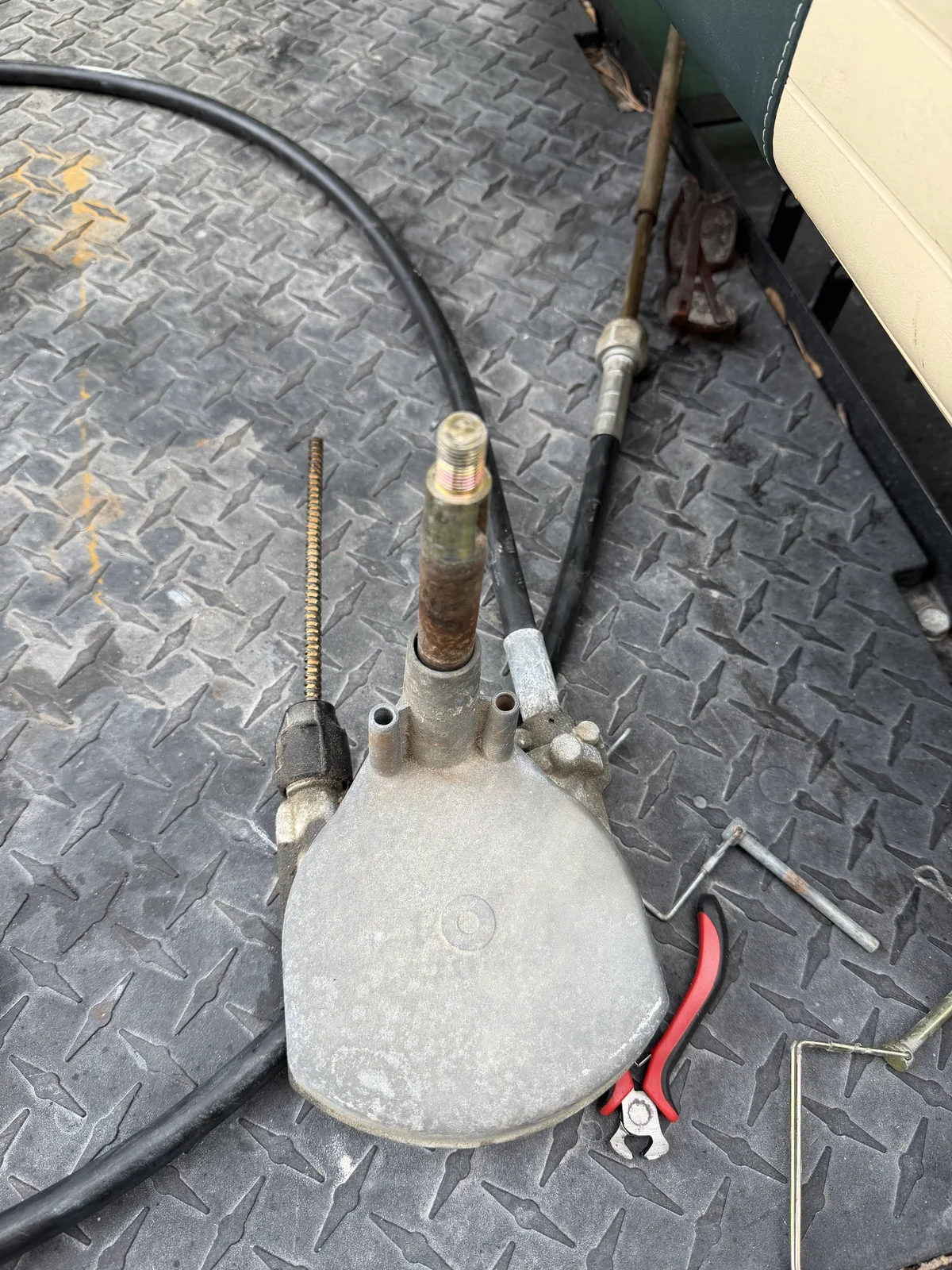
What came out
Cable steering does the job and it’s cheap, but it wears the way any mechanical cable does — the housing binds up over time, the cable itself stretches, and what was tight and responsive when the boat was new turns stiff in some spots and loose in others. On a boat that’s spent years easing around structure at idle speed in the dark, that wear shows up exactly where you don’t want it: in the small, constant corrections that keep the boat on line over a flounder.
What went in
The replacement is a YUMERSEA 90HP hydraulic steering kit — hydraulic cylinder, helm pump, and two 24-foot hydraulic hoses, rated well above what the J16’s outboard needs. The listing claims about a two-hour install with no boat modifications required, and that held up in practice — the new helm pump mounted straight into the J16’s existing console cutout where the old wheel shaft came out.
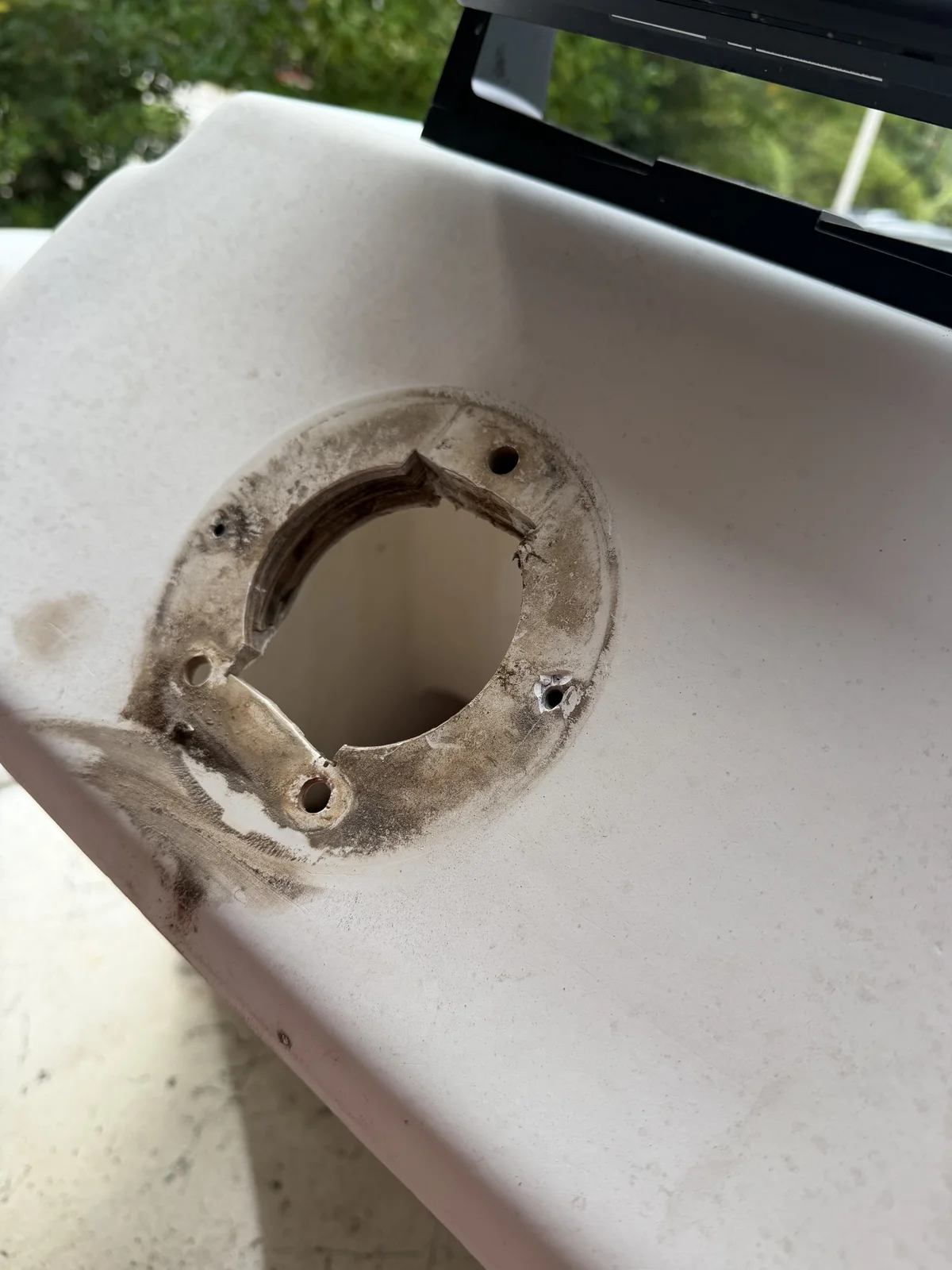
The cylinder mounted at the transom bracket without any new holes or fabrication, and filling and bleeding the system took Star Tron ISO 15 hydraulic steering fluid — bought in the 1-gallon size rather than a small bottle, since between this boat, the Contender, and the third boat, having extra hydraulic fluid on hand is worth more than saving a few dollars on a quart.
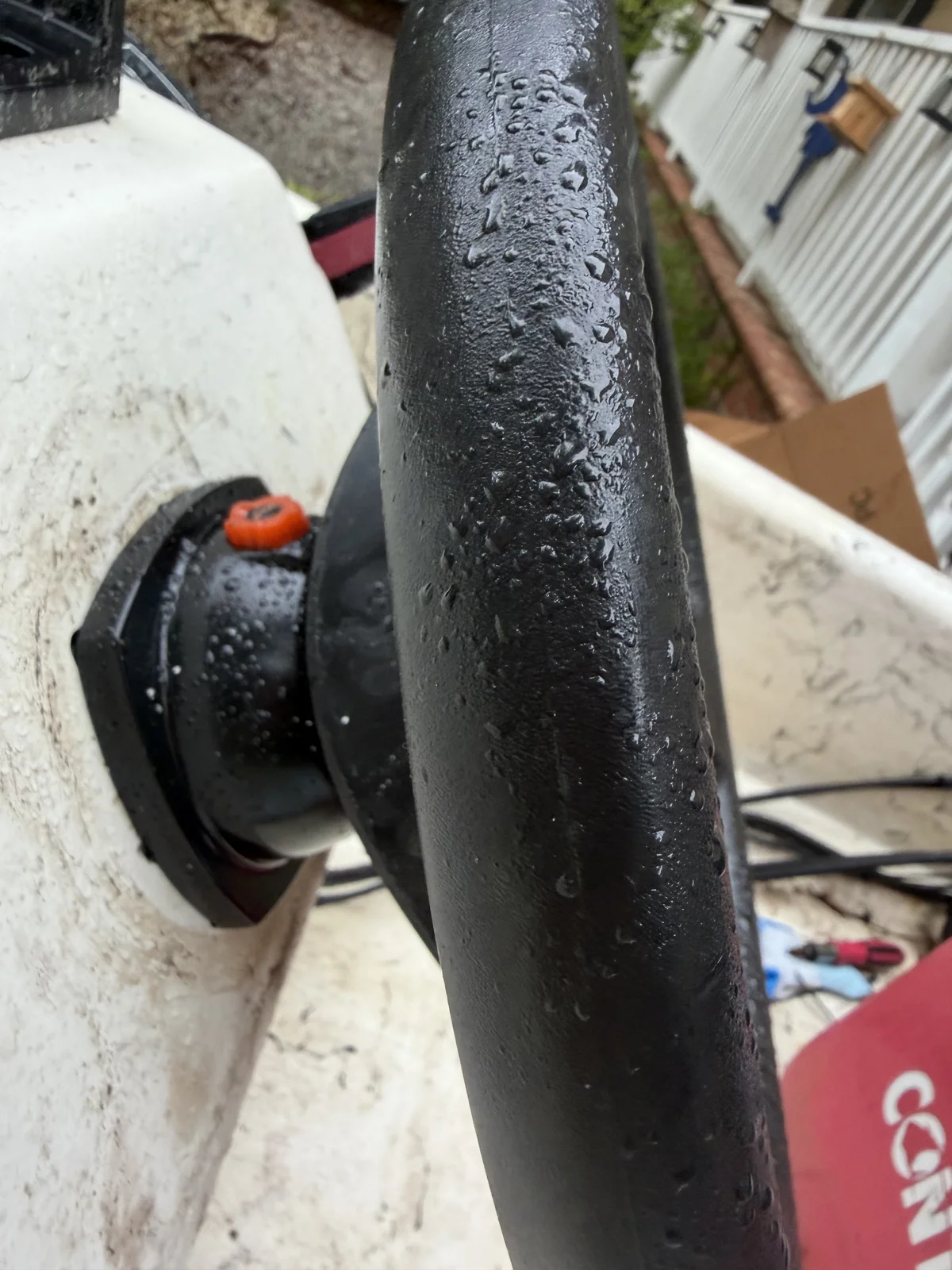
Why it’s worth doing
Hydraulic steering’s real advantage over cable isn’t top-end performance — it’s that the effort at the wheel stays light and consistent no matter the speed, and there’s no cable stretch to chase down over the years. For a boat that spends its working hours idling along structure making small corrections in the dark, that consistency matters more than it would on a boat that’s mostly running wide open in a straight line. Less arm fatigue over a long night, and a wheel that still feels the same in two years instead of getting stiffer with every season.
The verdict so far
The install itself lived up to the listing — straightforward, no surprises, no modifications to the boat. It’s given genuinely new life to a boat that only sees the water after dark. The real test is a full season of slow-speed corrections on the bank, but the first impression is exactly what you want from a steering upgrade: you stop thinking about it, which is the whole point.
This article may contain affiliate links. If you buy through them, we may earn a small commission at no extra cost to you. Learn more.