The Offshore Safety Checklist: What's Actually On Board 60 Miles Out
Running to the canyons is a different equation than fishing inside the inlet, and the safety gear has to match the distance, not just the law. This is the checklist I actually run through before we leave the dock on a long offshore day — the USCG minimums every boat needs, and the offshore-only additions that matter a lot more when help is an hour away by air instead of a radio call to the next boat over.
One honest note before the list: exact carriage requirements depend on your boat’s length, so confirm the current minimums for your specific vessel before you rely on this as your legal checklist. Think of what follows as the practical, offshore-tested version built on top of that baseline.
The legal minimum (every boat needs this)
These are the baseline requirements the Coast Guard checks for, offshore or not:
- Personal flotation devices — one wearable PFD per person aboard, sized and in good condition. Offshore, I want Type I or an inflatable belt-pack style that’s actually comfortable enough to wear the whole ride out, not buried in a locker.
- Throwable flotation device — a Type IV cushion or ring, immediately accessible, not stuffed under gear.
- Visual distress signals — day and night flares (or an approved LED distress light), current and not expired. Check the dates every spring; expired flares are a false sense of security.
- Fire extinguisher — USCG-approved, marine-rated, mounted somewhere you can reach it without thinking.
- Sound-producing device — a horn or whistle that works when everything electronic on the boat doesn’t.
- Working navigation lights — obvious, but check the bulbs before a trip that’ll have you running back in the dark.
What changes once you’re past sight of land
This is the gap that matters. Inside the inlet, a dead VHF or no EPIRB is an inconvenience. Sixty miles out, it’s the difference between a bad day and a Coast Guard helicopter finding you before dark.
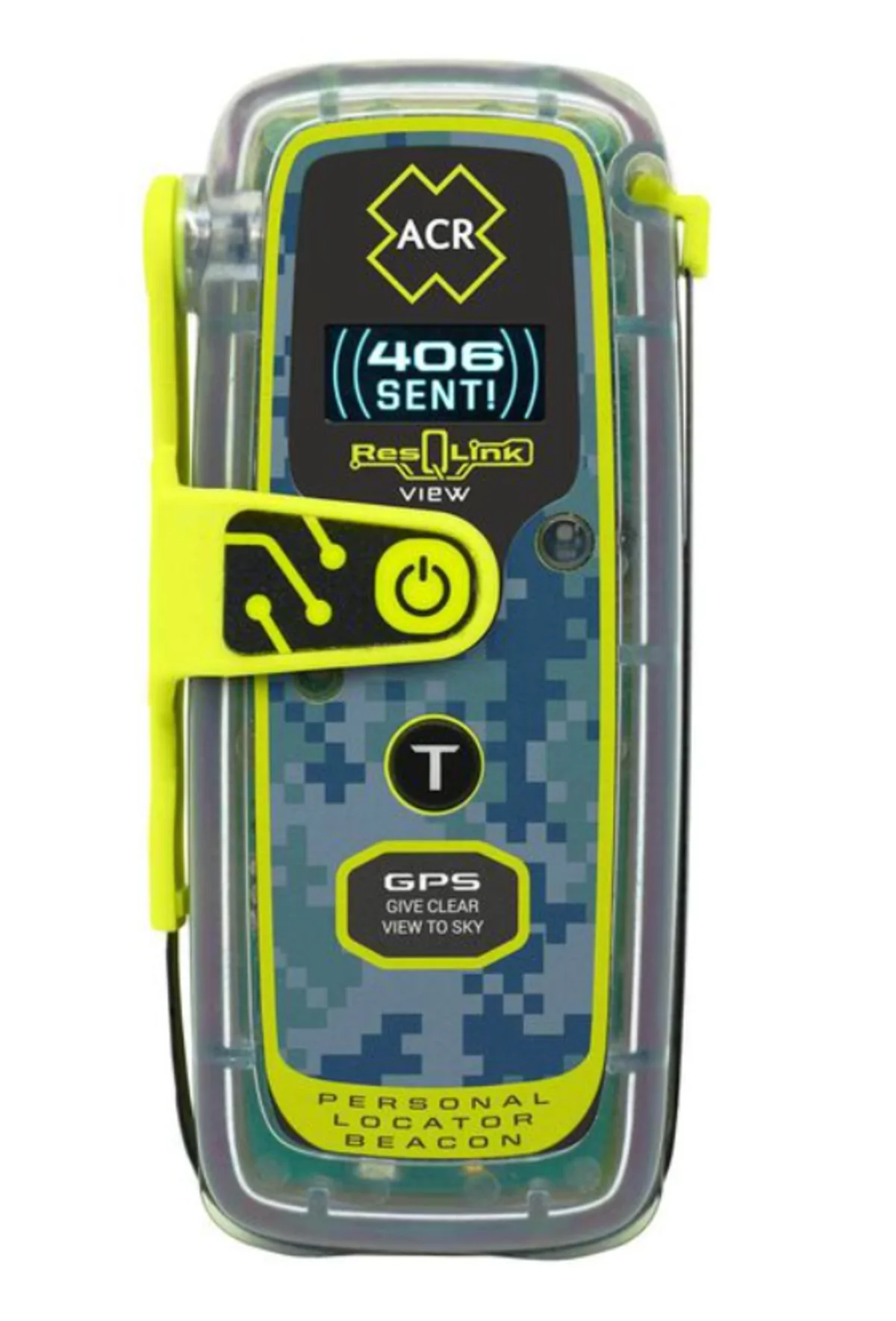
- EPIRB or a personal locator beacon (PLB) — this is the single most important thing on this list that a lot of boats still don’t carry. A registered EPIRB (or a PLB clipped to a PFD) puts your exact position out over satellite, not just VHF range. If you fish the canyons with any regularity, this isn’t optional. See the full EPIRB vs. PLB breakdown for which one actually fits your boat and how the registration and battery costs work.
- Fixed-mount VHF plus a handheld backup — the fixed radio with the boat’s antenna is your primary; the handheld is what goes in the ditch bag if you ever have to leave the boat. Two points of failure, not one. See the VHF/DSC setup guide for why the GPS hookup and MMSI registration matter as much as the radio itself.
- AIS transponder — running shipping lanes and inlet traffic in the dark or in fog, showing up on a container ship’s radar as a labeled target beats being an unlit blip they may not see in time.
- Marine-grade first aid kit — bigger than the glovebox kit. Offshore, you’re treating a hook through the hand or a bad cut yourself for a while before anyone else can help.
- Manual backup bilge pump — the electric pump is only as good as the battery and the float switch. A manual backup doesn’t care about either.
- A basic spares kit — fuses, hose clamps, a spare prop, belts. Most of what strands a boat offshore is a small, fixable thing that becomes a big problem for lack of a five-dollar part.
The ditch bag
Everything above lives on the boat. The ditch bag is the one thing that comes with you if you ever actually have to get in the water or a life raft — packed, zipped, and stowed somewhere every person on board knows to grab it. See the full ditch bag breakdown for the complete packing list.
- Handheld VHF and the PLB/EPIRB (if it’s not already worn)
- A signal mirror and a whistle
- A few day/night flares
- Space blanket, water, and a basic first aid kit sized for the bag, not the boat
- Anything med-related specific to the people actually on board that trip
Pack it once, check the batteries and expiration dates twice a year, and don’t treat it as a project you’ll finish “next trip.”
The float plan
Not a product, and it costs nothing: tell someone on land where you’re going, roughly when you expect to be back, and what to do if you’re not. A simple text with the marina, the general area you’re fishing, and your return window is enough. It’s the cheapest safety item on this entire list and the one most people skip.
Towing coverage — the one that isn’t gear
None of the above gets you home if the engine just dies. A BoatUS Saltwater Towing membership runs about $215 a year and covers on-water towing anywhere on the coast, including the run back from 60 miles out — a single unfunded tow from that distance can cost far more than years of membership. Add Trailer Assist for another $15 and the same card covers the truck and trailer on the drive to the ramp too. Check it’s current before every season, same as the flares.
Bottom line
The legal minimums keep you compliant close to shore. The EPIRB, the backup VHF, the AIS transponder, a real ditch bag, and a towing membership that’s actually paid up are what matter once you’re past the point where another boat is your rescue plan. None of it is exciting gear, and that’s exactly why it’s easy to put off — check it before the season, not after something goes wrong.
This article may contain affiliate links. If you buy through them, we may earn a small commission at no extra cost to you. Learn more.